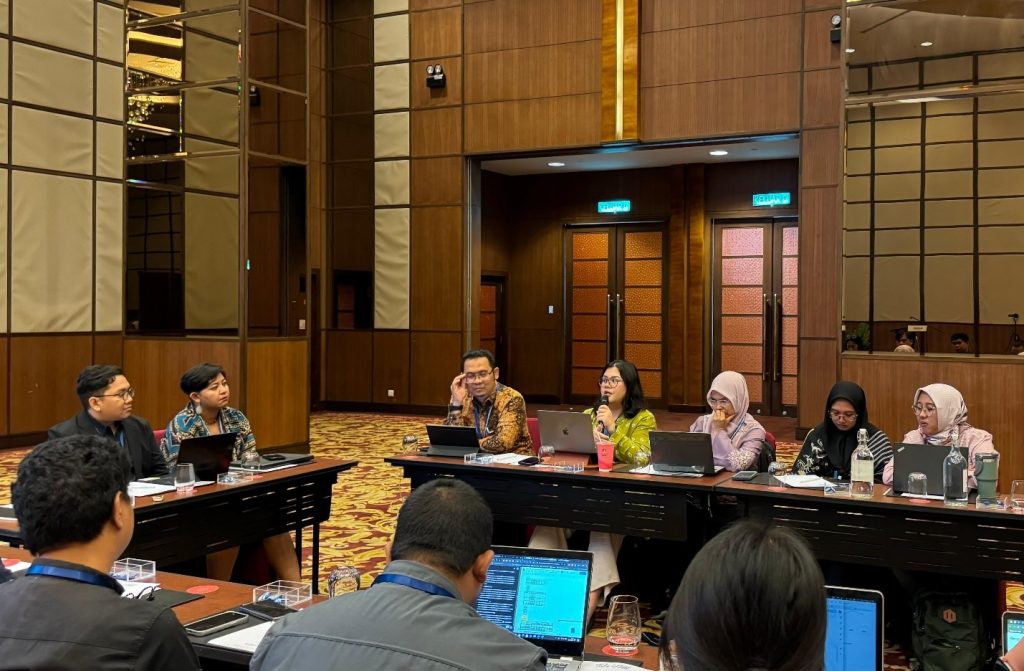
Law, Gender, and Society Study Centre Faculty of Law UGM (LGS FH UGM), Diantika Rindam Floranti, S.H., LL.M. presented the research result regarding to the consent concept in rape crimes at the SHAPE-SEA workshop and conference in Malaysia. The event started on Monday (12/8/2024) until Thursday (15/8/2024) and was attended by researchers and experts from ASEAN countries. The research was conducted by Diantika Rindam Floranti, S.H., LL.M, Devita Kartika Putri, S.H., LL.M, Muhammad Ryandaru Danisworo S.H., LL.M, Rosa Pijar Cahya Devi, S.H., and Ken Penggalih.
This research was based on the expansion of the crime of rape which previously focused on the element of "violence" in the Old Criminal Code (Law Number 1 of 1946 concerning the Criminal Code) and shifted to focus on the element of consent or agreement in the New Criminal Code (Law Number 1 of 2023 concerning the Criminal Code). This research was conducted with using legal normative approach, followed by the empirical research that included 14 judges in Indonesia that have handled the rape cases. This research was conducted to review judges’ knowledge in the concept of violence, consent, and rape crime construction. This research found that there is a diversity of understanding of these concepts among respondent judges, which can lead to inconsistencies in the implementation of the criminal offense of rape. The results of the study indicate the urgency of developing guidelines for judges to understand the elements of rape that consider consent in determining the occurrence of the crime of rape. In addition to increasing legal certainty, guidelines that consider consent in the interpretation of the crime of rape can mitigate bias held by judges and provide a basis for the construction of a more inclusive crime of rape. The goal is to ensure that criminal law can respond to actions that violate the bodily integrity or sexuality of the victim.
The research that have been conducted is expected to give a contribution to the criminal law development, especially in providing justice for the victims. The intention of this research is align with the LGS objective in contributing to the implementation of 16th point of SDGs in Peace, Justice, and Strong Institutions and also the 5th goals of SDGs in Gender Equality, considering that women often become the victim of rape crimes.
Author : Arimbi Fajari Furqon (Law, Gender, and Society)