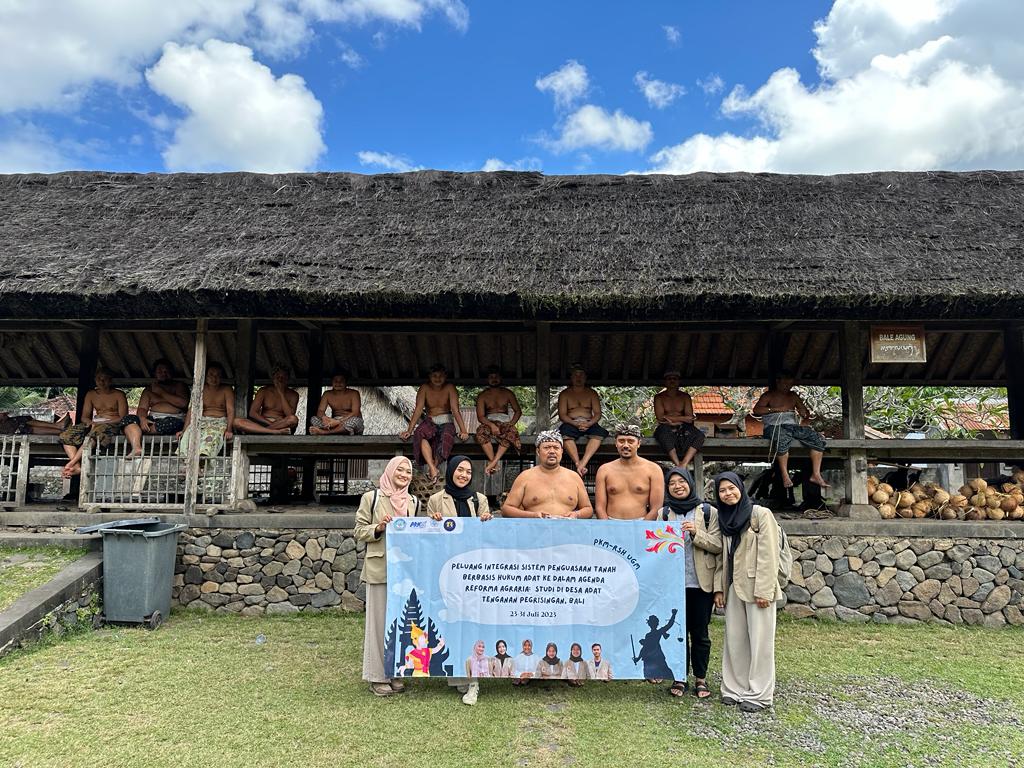
Bali is not only famous for its natural beauty, but also for its rich traditions and culture, which are still firmly upheld to this day. One such example is the Traditional Village of Tenganan Pegringsingan in Bali. This village is one of the few that has managed to preserve its traditional values amid the onslaught of modernization. It is this uniqueness that prompted the UGM Student Creativity Program in Social and Humanities Research (PKM-RSH) team to conduct research on customary law-based land tenure values in the Traditional Village of Tenganan Pegringsingan, Bali.
The research team consists of five members: Destriananda Safa Aina (FH ‘21), Bolivia Rahmawati (FIB ‘21), An Nuur Khairune Nisa (FIB ‘21), Muh Faqihuddin M. (FH ‘20), and Putri Pertiwi (FH ‘21). In this study, the team was supervised by Almonika Cindy Fatika Sari, S.H., M.A., as their academic advisor.
“This research was motivated by the uniqueness of the Tenganan Pegringsingan Traditional Village, which has been able to preserve traditional values regarding the land tenure system that align with the agrarian reform agenda to this day,” explained Destriananda Safa, the team leader, whose research was titled “Opportunities for Integrating a Customary Law-Based Land Tenure System into the Agrarian Reform Agenda: A Study in the Traditional Village of Tenganan Pegringsingan, Bali.”
The PKM-RSH team assessed the extent to which agrarian reform values have been implemented in the Tenganan Traditional Village using four indicators outlined by Sangkoyo (2001): governance, land use, production, and consumption. Based on field research, the PKM-RSH team found that the indicators of governance, land use, and production applied by the Tenganan customary law community can be integrated into the national agrarian reform agenda. The goal is to effectively realize the national agrarian plan through the redistribution of land ownership, control, and use.
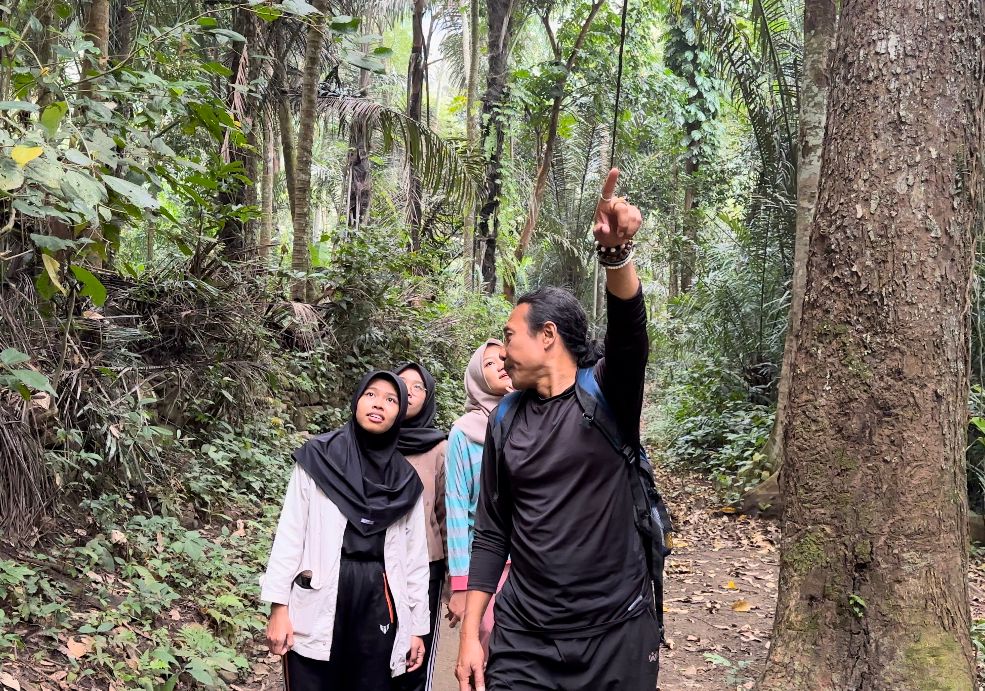
In their research, the PKM-RSH Team obtained information regarding regulations on land governance, land use, production, and consumption in the Traditional Village of Tenganan Pegringsingan, which are enshrined in customary laws—both written and oral. The context of land governance is reflected in the guarantee of access to and protection of the village community’s rights over existing land. Furthermore, land use is evident in the implementation of a well-organized spatial planning system, and no land conversion has occurred since the traditional village was established. This ensures the protection of the natural ecosystem in the Tenganan Pegringsingan Traditional Village.
The fulfillment of production management indicators is demonstrated through the communal and cooperative production processes and utilization of natural resources carried out by subak groups. Meanwhile, regarding consumption patterns, this is reflected in the village awig-awig, which stipulate that jackfruit, tehep, candlenuts, pangi, cempaka, durian, and enau may only be consumed when they fall from the tree. These regulations were established to fulfill the social function of natural resources and to preserve the environment. These rules aim to ensure that every member of the Tenganan MHA can access and meet their daily local food needs.
Along the way, several factors have influenced the sustainability of customary land in the Tenganan Pegringsingan Customary Village, including government modernization projects, the rapid growth of tourism, and the presence of tenant farmers. These factors can benefit the Tenganan MHA by creating efficiency and effectiveness in agricultural production and increasing income. However, on the other hand, these conditions also pose challenges for the implementation of a customary law-based land tenure system that aligns with the values of agrarian reform—such as a shift in the focus of the Tenganan MHA’s work toward the tourism sector rather than agriculture, thereby necessitating the use of tenant farmers’ services. These challenges are closely related to the United Nations Sustainable Development Goals (SDGs), particularly Goal 15—Life on Land—and Goal 16—Promoting Justice, Peace, and Inclusive Societies.
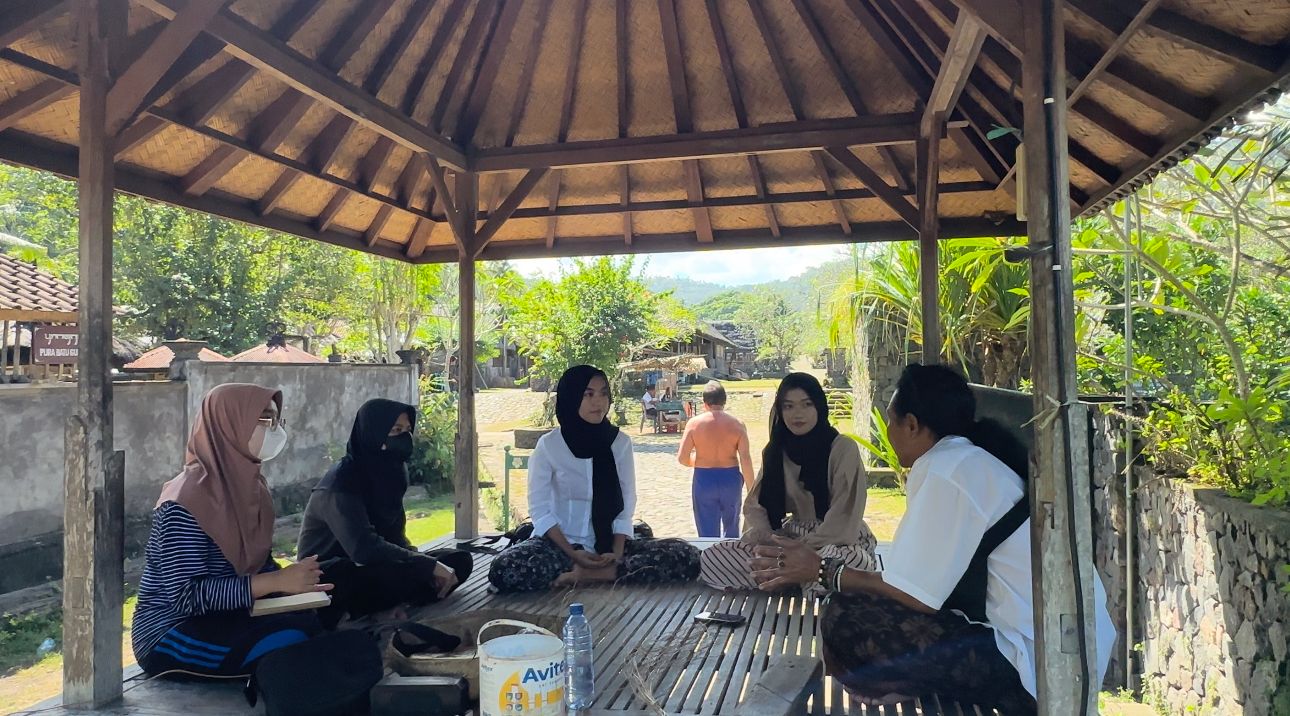
To collect this data, the PKM-RSH team collaborated with village leaders, the community, and tenant farmers in the Tenganan Pegringsingan Traditional Village. Through this research, the PKM-RSH team also drafted a policy brief that is intended to serve as a reference for stakeholders to enhance the implementation of agrarian reform in a manner consistent with the community’s local values.
Author: Putri Pertiwi
Editor: Public Relations