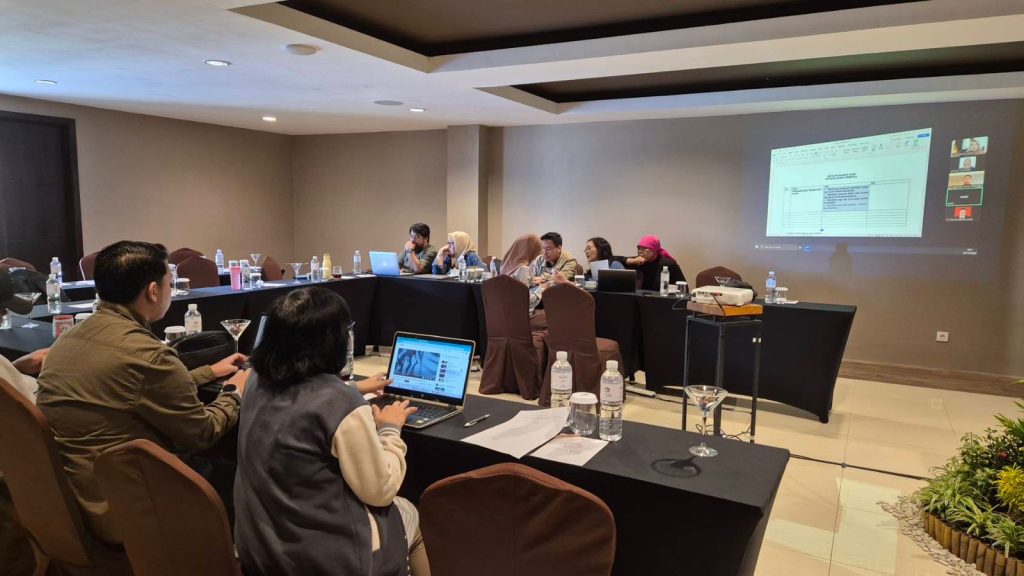
From Sunday (December 1, 2024) to Monday (December 2, 2024), the Department of Civil Law at the Faculty of Law, Gadjah Mada University, held a workshop titled “Evaluation, Content Update, and Teaching Methods for Required Courses in the Department of Civil Law” at the Nava Hotel in Tawangmangu, Karanganyar. This event aims to evaluate and update the course materials and teaching methods for the courses Civil Law, Civil Procedure Law, and Labor Law, as well as to update relevant laws and regulations.
This workshop features a variety of speakers, including legal practitioners, academics, and experts in related fields, such as notaries, judges, prosecutors, and labor experts. The participants, who are faculty members from the Department of Civil Law, will contribute to discussions and the identification of challenges in legal education, with a focus on developing legal materials relevant to contemporary legal issues and digitalization.
Specifically, this program is aligned with the Graduate Learning Outcomes (GLOs), which prioritize mastery of legal principles, theories, and doctrines, as well as their application in social and civic life. This aligns with the goals of the SDGs (Sustainable Development Goals), particularly Quality Education (SDG 4) and Community-Positive Impact (SDG 16), where fair and inclusive law is a crucial component of achieving sustainable development goals.
This workshop will also provide a platform for participants to share their experiences and insights regarding the challenges currently facing legal education. By fostering collaboration between legal educators and practitioners, the workshop aims to develop a more effective and relevant curriculum that meets the needs of both students and the legal profession.
The outcomes of this workshop are expected to make a significant contribution to the sustainable development of legal education in Indonesia. By aligning the curriculum with current legal practices and the needs of society, the Department of Civil Law aims to produce graduates who are not only knowledgeable but also capable of making a positive impact in their communities.
Overall, this workshop represents a significant step toward improving the quality of legal education in Indonesia, ensuring that legal education remains relevant and responsive to the ever-changing dynamics of society and the legal profession. A commitment to continuous improvement in legal education is essential for building a fair and equitable legal system that supports sustainable development.
Author: Brenda Tesalonika Himawan (part timer staff member, Department of Civil Law)
Editor: Public Relations