Village Levies: Urgency, Legal Basis, and Implementation Strategy in Sumberagung Village, Jetis, Bantul

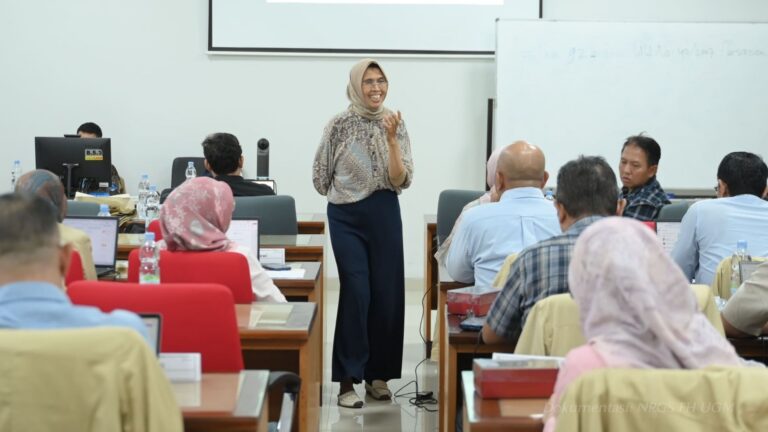
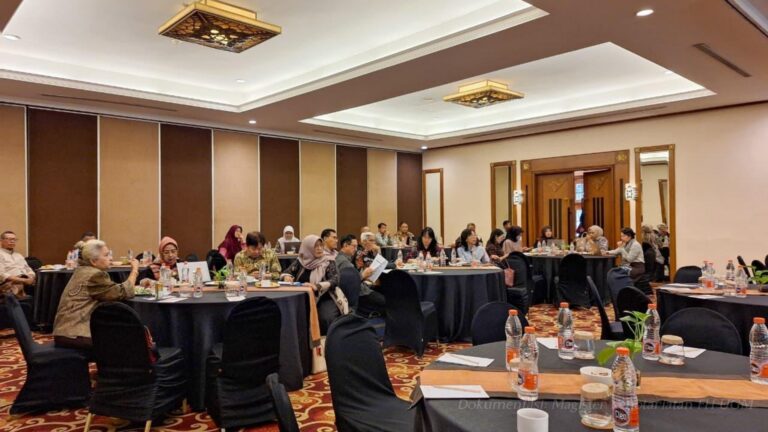
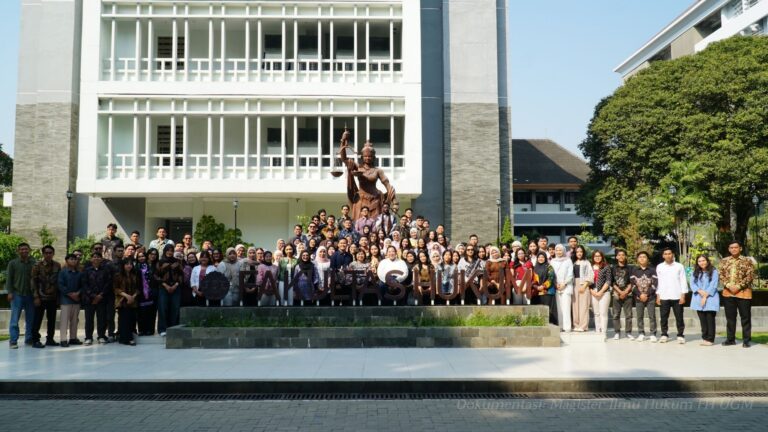
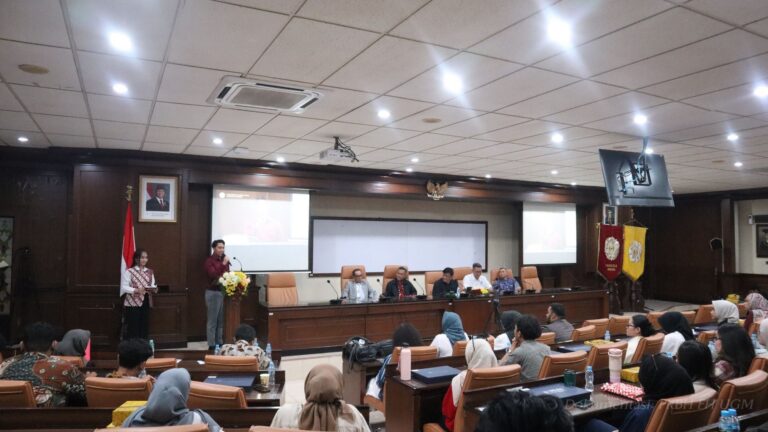
The Faculty of Law at Universitas Gadjah Mada (FH UGM), in collaboration with the High Prosecutor’s Office of the Special Region of Yogyakarta and the Government of Sumberagung Village, Jetis Subdistrict, Bantul Regency, held an academic forum entitled “Village Levies: Urgency, Legal Basis, and Implementation Strategy.” The event, hosted at FH UGM, featured academic representatives and law enforcement officials, including Virga Dwi Efendi, S.H., LL.M., from FH UGM, and Ye Oceng Almahdaly, S.H., M.H., from the High Prosecutor’s Office of Yogyakarta. Village representatives from Sumberagung also attended to discuss the draft Village Regulation on levies, which was verified and approved by the Prosecutor’s Office during the forum.

The forum emphasized the importance of strengthening village institutional capacity through legally recognized levies. To date, village income has largely depended on transfers from central and regional governments. By establishing levies regulated under a Village Regulation, villages can secure additional revenue sources to fund development programs and improve public services. These levies are not intended as a burden but as an official contribution from the community, with benefits directly returned to the residents in the form of local development programs.

The event brought significant benefits, not only by producing a legally verified regulation but also by reinforcing coordination between village authorities, academia, and law enforcement. For Sumberagung Village, the forum provided a clear legal foundation to implement village levies, ensuring accountability in execution. At the same time, residents gained confidence that the funds collected would be managed transparently and directed toward collective needs.

Discussions at the forum revolved around three key aspects. First, the urgency of village levies as a strategic step toward building village independence and strengthening governance. Second, the legal basis highlighting the necessity of Village Regulations that align with the national regulatory framework, ensuring no conflict with higher-level laws. Third, the implementation strategy focusing on community participation in determining levy rates and mechanisms, transparent management of collected funds, and accountability through public reporting.

The application of village levies is closely aligned with the achievement of the Sustainable Development Goals (SDGs) at the village level. Levies contribute to SDGs 1 on poverty eradication by supporting community economic empowerment and social assistance programs. They also advance SDGs 8 on decent work and economic growth by funding local entrepreneurship and SME development. In relation to SDGs 9, levies can be used to finance essential infrastructure such as neighborhood roads, clean water facilities, and digital access. From a governance perspective, they strengthen SDGs 16 by promoting transparent, accountable, and participatory village institutions. Furthermore, the involvement of academia and law enforcement illustrates SDGs 17, which emphasizes partnerships to achieve sustainable development.

The forum concluded with an agreement that Sumberagung Village levies would be regulated under a legally valid Village Regulation, implemented with principles of participation, transparency, and accountability, and directed toward achieving the Village SDGs. This milestone marks Sumberagung as a pioneer in formulating legal, participatory, and sustainable levy regulations, serving as an example for other villages in Bantul and Yogyakarta.

Author: Muhammad Fathur Rizqi

TAGS :  

Latest News

Dosen Departemen Hukum Islam FH UGM Menjadi Narasumber Pada Kolegium Hukum Islam Kontemplasi Akhir Tahun 2025

Sabtu (27/12/2025), Dosen Departemen Hukum Islam Fakultas Hukum UGM, Prof. Dr. Hartini, S.H., M.Si. menjadi narasumber dalam kegiatan webinar Kolokium Hukum Islam Kontemplasi Akhir Tahun …

Perkuat Pendidikan Hukum Berbasis Praktik, FH UGM Laksanakan Program Magang Mahasiswa di Kejati DIY

Fakultas Hukum Universitas Gadjah Mada (FH UGM) secara resmi melaksanakan kegiatan penerjunan mahasiswa magang di Kejaksaan Tinggi Daerah Istimewa Yogyakarta (Kejati DIY). Periode magang ini …

Policy Paper: Urgensi Pembentukan Unit Pelaksana Teknis (UPT) Balai Pembiayaan Industri Kementerian Perindustrian

Tekanan perekonomian global, meningkatnya kompetisi perdagangan internasional, serta masuknya produk impor berharga murah telah menurunkan daya saing industri dalam negeri, khususnya industri padat karya. Kondisi …

Scroll to Top