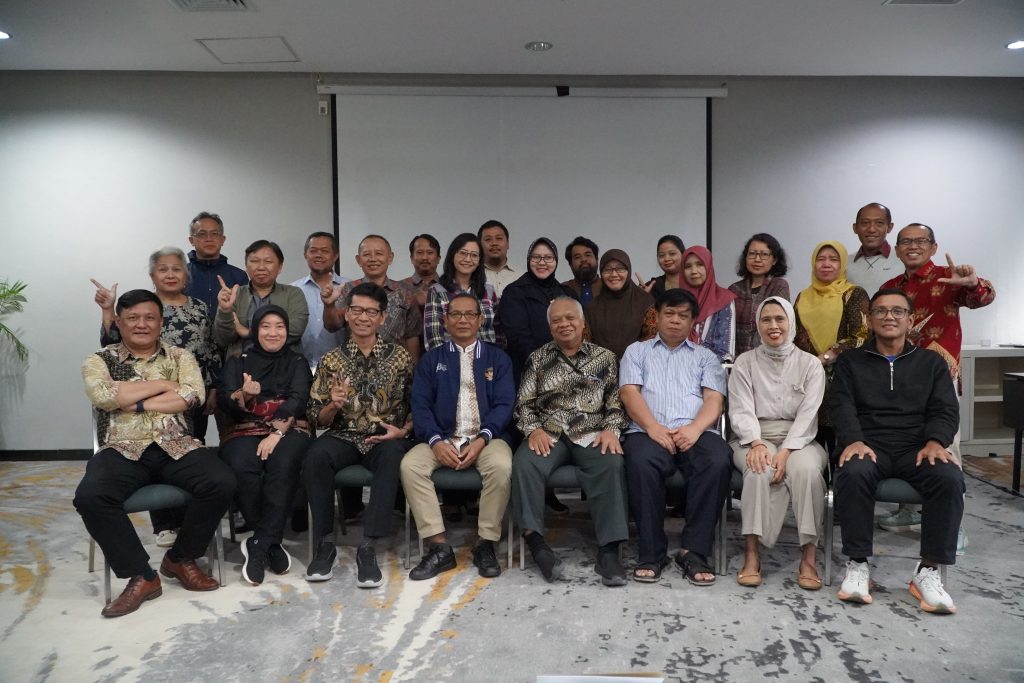
In a significant step toward improving educational standards and sustainability, the Faculty of Law at Gadjah Mada University (UGM) held a Senate meeting at the Aston Hotel in Cirebon. The meeting took place from Thursday (December 5, 2024) to Friday (December 7, 2024). The meeting brought together faculty members to discuss important issues surrounding legal education in Indonesia, particularly in the context of the Sustainable Development Goals (SDGs).
The first item on the agenda is a discussion of the draft regulation (Raperdek) regarding the implementation of graduate education programs. This initiative aims to align the curriculum with the principles of education for sustainability, ensuring that future legal practitioners are equipped with the knowledge and skills necessary to address contemporary challenges. The emphasis on sustainability in legal education is crucial, as it prepares students to engage with pressing global issues such as climate change, social justice, and human rights.
During the discussion, faculty members highlighted the importance of integrating sustainability into the curriculum. They proposed innovative teaching methods and interdisciplinary approaches that would allow students to explore the intersection of law, the environment, and society. The goal is to cultivate a generation of lawyers who are not only knowledgeable in legal theory but also committed to promoting sustainable practices within their communities.
The second agenda item focused on a draft regulation establishing guidelines for citing references in academic papers at the Faculty of Law. This regulation aims to standardize citation and referencing practices among students and faculty, thereby improving the quality of academic writing. By establishing clear guidelines, the faculty seeks to foster a culture of academic integrity and rigor, which is essential for the development of credible legal scholarship.
The meeting participants emphasized that proper citation is not merely a technical requirement but also a fundamental aspect of legal education. It teaches students the importance of acknowledging others’ contributions and situating their work within a broader academic discourse. This practice is particularly relevant in developing countries, where the quality of legal education can have a significant impact on the rule of law and governance.
The meeting concluded with a commitment to prioritize education for sustainability in all future initiatives. Faculty members expressed their determination to lead by example and advocate for policies that promote sustainable practices within the legal profession. By doing so, they aim to contribute to the broader goals of the SDGs, particularly in the areas of quality education and sustainable development.
In conclusion, the Faculty of Law Senate meeting at the Aston Hotel in Cirebon marked a significant step toward improving legal education in Indonesia. Through discussions on graduate education and academic writing standards, the faculty is poised to make a meaningful contribution to the field of law while promoting sustainability. This commitment to education for sustainability will undoubtedly shape the future of legal education at UGM and beyond.